What Is Hanuman Chalisa? Meaning, History, and Why Millions Chant This Powerful Prayer
A Quiet Source of Strength
Before men learn strength, they often experience weakness.
There are moments in life when confidence fades, direction disappears, and the weight of responsibility begins to feel overwhelming.
Across centuries in India, during such moments of uncertainty, millions of people have turned to a simple yet powerful spiritual practice — the chanting of the Hanuman Chalisa, a sacred hymn dedicated to Hanuman.
For many, it is more than just a prayer.
It becomes a reminder of courage, discipline, and unwavering devotion in the face of adversity.
A Brief Introduction to Lord Hanuman
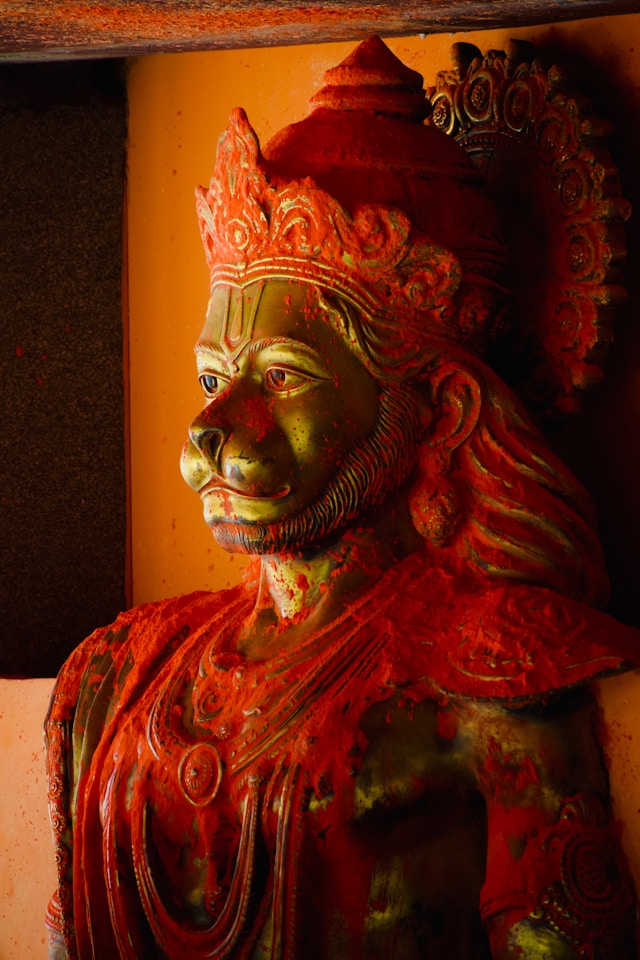
In our previous article, we explored the life lessons we can learn from Hanuman, one of the most revered figures in Hindu culture.
Hanuman represents qualities that resonate across cultures and generations — strength, courage, humility, loyalty, and devotion to a higher purpose.
For men navigating modern life, these qualities remain deeply relevant. In a world filled with distractions, uncertainty, and constant pressure, Hanuman reminds us that true strength lies not only in physical power, but in discipline, character, and unwavering purpose.
These qualities are universal human values that apply to people across cultures.
If you haven’t read it yet, you can explore our previous article here:
Lessons from Lord Hanuman for Modern Life
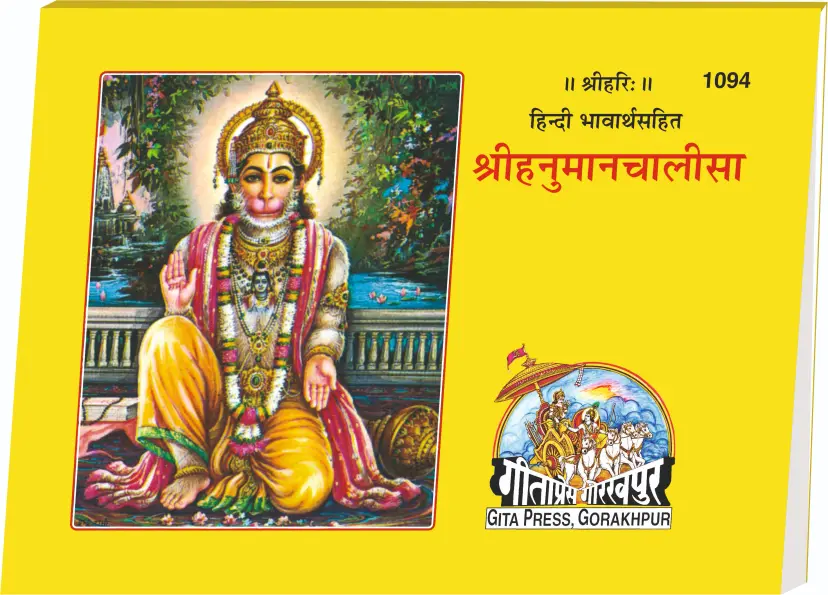
Among the many traditions associated with Hanuman, one of the most powerful and widely practiced is the chanting of a sacred devotional hymn known as the Hanuman Chalisa.
The Sacred Prayer Dedicated to Hanuman
The Hanuman Chalisa is a devotional hymn composed in the 16th century by the poet-saint Tulsidas.
Tulsidas is also the author of the famous Hindu epic Ramcharitmanas, which narrates the story of Rama.
The word “Chalisa” comes from the Hindi word chalis, meaning forty. The hymn therefore consists of forty verses praising the strength, wisdom, and devotion of Hanuman.
For centuries, the Hanuman Chalisa has existed not only in scriptures but in the daily lives and hearts of millions of people across the Hindu world.
Reciting the Chalisa also forms part of a broader spiritual practice known as naam jap, the repetition of sacred names or verses to focus the mind and cultivate inner strength.
Why Hanuman Chalisa Matters for Men Today
Throughout history, men have often turned to spiritual practices during times of uncertainty, pressure, or personal struggle.
The Hanuman Chalisa is not only a devotional hymn — it also serves as a reminder of the qualities that define strong character.
Hanuman symbolizes:
- Courage in the face of adversity
- Loyalty to purpose and values
- Humility despite great strength
- Discipline and self-control
For men dealing with career pressure, personal setbacks, or moments of self-doubt, spiritual practices like chanting and naam jap can become tools for developing mental resilience and clarity.
Rather than escaping problems, they help build the inner stability required to face them.
The Growing Popularity of Hanuman Chalisa
The influence of the Hanuman Chalisa extends far beyond temples and traditional religious settings.
Many well-known public figures have spoken about the role spirituality and devotion play in their lives.
Indian cricketers such as Virat Kohli and Suresh Raina have often expressed their spiritual inclination and connection to Hanuman.
Artists and performers including Sonu Nigam and Vicky Kaushal have also spoken about how faith helps them maintain inner balance.
Popular digital creator Ranveer Allahbadia frequently discusses spirituality, meditation, and self-discipline as tools for navigating modern life.
Many spiritual teachers and astrologers also recommend chanting the Hanuman Chalisa during challenging phases of life. One widely followed astrologer who often speaks about Hanuman devotion is Arun Pandit.
In recent years, devotional artist Rasraj Ji Maharaj has helped introduce bhakti music to younger audiences. His spiritual compositions present devotional themes in a musical style that resonates strongly with millennials and Gen Z listeners.
Through music and digital platforms, practices like naam jap and devotional chanting are now reaching an entirely new generation.
A Global Connection to Hanuman

Interestingly, devotion to Hanuman has also reached people far beyond India.
One of the most fascinating examples is Krishna Das, an American spiritual musician who spent years in India searching for deeper spiritual truth.
During that journey, he became a devotee at the ashram of the renowned saint Neem Karoli Baba.
Krishna Das eventually became one of the most well-known kirtan singers in the world, with devotional chants dedicated to Hanuman attracting millions of listeners globally.
I personally had the opportunity to attend one of his kirtan sessions in Mumbai in October 2024. The atmosphere was extraordinary — a room filled with people from very different walks of life, all united in devotional chanting.

Interestingly, several well-known personalities were also present at the gathering, including Virat Kohli, Anushka Sharma, and Ranveer Allahbadia.
It was a deeply moving and almost magical experience. The collective chanting, the music, and the energy in the room created a powerful sense of calm and devotion that is difficult to describe unless one experiences it firsthand.
Moments like these show how traditions like kirtan and naam jap have quietly crossed cultural boundaries and continue to inspire people around the world.
We will explore Krishna Das’s journey in a separate article.
How the Hanuman Chalisa Entered My Life
“Where there is faith and discipline, even the most difficult path becomes easier to walk.”
Like many spiritual traditions, the Hanuman Chalisa often appears in people’s lives during moments when they are searching for strength.
In my own life, there was a phase when I felt completely broken and directionless. I lacked the courage to face the problems standing in front of me.
Looking back, I sometimes feel that life operates within a strange divine ecosystem.
When a person is suffering deeply, something often appears that quietly guides them forward.
During that difficult phase, the Hanuman Chalisa somehow found its way into my life.
I held onto that blessing with both hands.
Regular chanting did not magically remove every problem overnight. But slowly, something inside began to change.
The fear began fading.
The mind became calmer.
And the courage to face life slowly returned.
Over time I realized something deeper — the Hanuman Chalisa is not just a prayer asking for help.
It is a reminder of the qualities Hanuman represents: discipline, courage, devotion, and unwavering strength.
Qualities that every man eventually needs to cultivate to face life with confidence.
A Message for the Reader
If this article has randomly appeared on your feed, or someone shared it with you, perhaps it is simply coincidence.
Or perhaps life has a way of placing certain things in our path when we need them most.
I am not asking you to believe anything blindly.
But if you are going through a difficult phase in life, you may simply try listening to or reading the Hanuman Chalisa for a few days.
Sometimes the simplest practices create the most unexpected transformations.
Understanding the Hanuman Chalisa
At its core, the Hanuman Chalisa is a devotional poem praising Hanuman’s strength, wisdom, humility, and devotion to Lord Rama.
Each verse highlights a different aspect of Hanuman’s character — from his immense physical strength to his deep humility and unwavering devotion.
For millions of people, chanting the Hanuman Chalisa becomes a daily spiritual discipline that helps cultivate focus, courage, resilience, and mental clarity.
If you would like to read the complete Hanuman Chalisa along with its English meaning and explanation, you can explore our detailed guide here:
👉 Hanuman Chalisa: Lyrics and Meaning Explained
Final Thoughts
The Hanuman Chalisa is more than a religious hymn.
It is a centuries-old tradition of devotion that continues to inspire strength, courage, and resilience in people’s lives.
For men especially, the story of Hanuman offers a powerful model of disciplined strength, humility, and devotion to a higher purpose.
In a world filled with distractions and uncertainty, the timeless message of Hanuman — strength guided by wisdom and purpose — remains as relevant today as ever.
Listen to the Hanuman Chalisa
Here are a few renditions of the Hanuman Chalisa that I personally enjoy listening to. You can check them out as well and see which one resonates with you.
- Rasraj Ji Maharaj – Hanuman Chalisa (Lofi Version)
- Krishna Das – Hanuman Chalisa (Bernie’s Chalisa)
- Hariharan – Hanuman Chalisa (T-Series Version)
If you have never tried chanting or listening to the Hanuman Chalisa before, you might consider giving it a few minutes of your day. Sometimes the simplest practices bring unexpected clarity and strength.
Leave a Reply